Blood Pressure, Temperature, Oxygen And Lab Results Explained
Blood pressure, temperature, oxygen, heart rate and the yearly labs: what is normal, what is not, and what to do about each.
Reviewed by David Sanders, MD ·
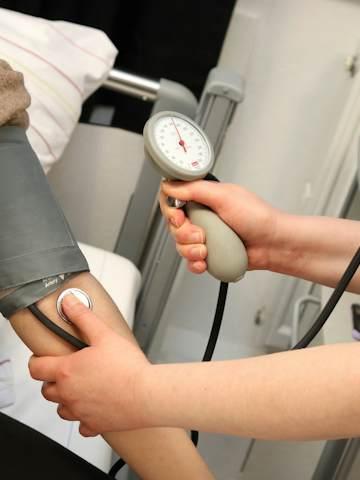
Blood pressure
Under 120/80 is normal. 120 to 129 over under 80 is elevated. 130/80 and up is high. Over 180/120 with a headache, chest pain or vision change is an emergency. One high reading means nothing; a week of readings means everything.
Temperature
100.4°F is a fever. For an adult, 103 and up, or any fever lasting more than three days, gets a call. For a baby under three months, 100.4 is an emergency. For a child, how they're acting matters more than the number.
Oxygen
95 to 100 is normal. 92 to 94 with a cough or cold, recheck in an hour. Under 92, go in. Cold fingers and dark nail polish give false low readings; warm the hand and try again.
Resting heart rate
60 to 100 is normal; fit people run lower. A resting rate that's 15 or 20 above your usual, for days, with no explanation, is worth a conversation. Your watch is good at this one.
The yearly labs
A1c, lipids, TSH, kidney function, vitamin D. What each one means.